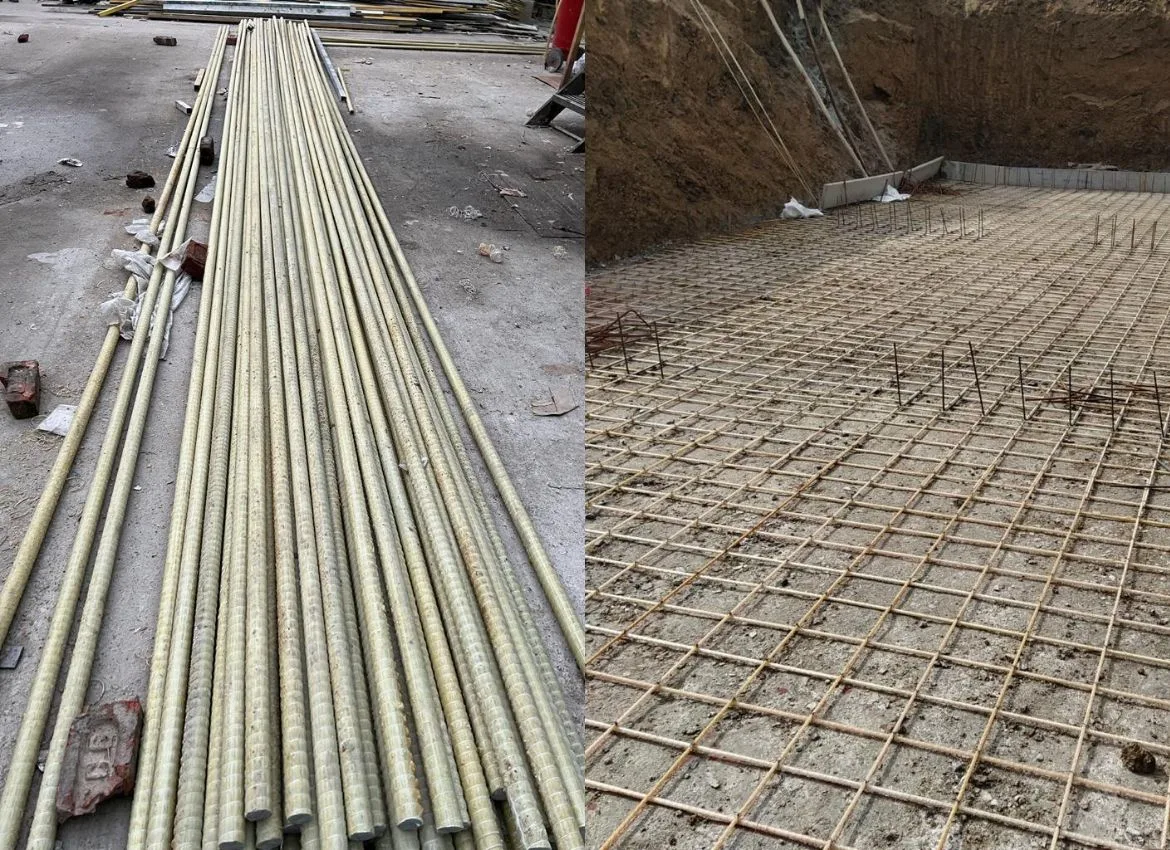
Fibre-reinforced plastic (FRP) has gained significant traction across various industries in Malaysia due to its exceptional strength-to-weight ratio, corrosion resistance, and versatility. As the country continues to invest in infrastructure, manufacturing, and energy sectors, FRP products have become a go-to material for engineers and architects looking for durable and cost-effective alternatives to traditional materials like steel, concrete, and wood. This article explores the common types of FRP used in Malaysia and the unique advantages they offer.
1. Glass Fibre-Reinforced Plastic (GFRP)
Overview:
Glass Fibre-Reinforced Plastic (GFRP) is the most commonly used type of FRP in Malaysia. It is composed of a polymer matrix reinforced with glass fibres, offering excellent mechanical strength and good resistance to corrosion and chemicals.
Applications in Malaysia:
GFRP is widely used in water treatment plants, cable trays, cooling towers, walkways, roofing sheets, and industrial grating systems. It’s also prevalent in the construction of handrails, ladders, and structural profiles.
Advantages:
- Corrosion Resistance: Ideal for Malaysia’s humid and coastal climate, where corrosion is a constant threat to metal structures.
- Lightweight: Easier to handle and install, reducing labour costs and transportation requirements.
- Electrical Insulation: Offers safety in high-voltage environments such as substations and power plants.
- Cost-Effective: While the initial cost might be higher than some materials, its low maintenance needs offer long-term savings.
2. Carbon Fibre-Reinforced Plastic (CFRP)
Overview:
Carbon Fibre-Reinforced Plastic (CFRP) consists of a polymer matrix reinforced with carbon fibres. It is known for its exceptional stiffness, low weight, and high tensile strength.
Applications in Malaysia:
CFRP is used in the aerospace industry, automotive parts manufacturing, and civil engineering for structural strengthening of bridges, columns, and beams. In recent years, it has also found use in marine and sporting equipment.
Advantages:
- High Strength-to-Weight Ratio: Especially beneficial in aerospace and automotive sectors, where reducing weight without compromising strength is critical.
- Durability: Excellent fatigue resistance, making it suitable for high-stress environments.
- Low Thermal Expansion: Ideal for precision components and environments with temperature variations.
- Enhanced Structural Performance: Improves the load-bearing capacity of existing infrastructure.
3. Aramid Fibre-Reinforced Plastic (AFRP)
Overview:
Aramid fibres, such as Kevlar, are used in AFRP for their high impact resistance and toughness. Though not as common as GFRP or CFRP, AFRP is valued in specialised applications.
Applications in Malaysia:
AFRP is typically found in ballistic protection (e.g., body armour and vehicle armour), and in structural applications where impact resistance is critical. It is also used in hybrid FRP composites.
Advantages:
- High Impact Resistance: Suitable for protective applications and critical structural reinforcements.
- Fatigue Resistance: Performs well under repeated loading conditions.
- Thermal Stability: Maintains integrity under high temperatures.
- Low Density: Ensures lightweight solutions without sacrificing toughness.
4. Basalt Fibre-Reinforced Plastic (BFRP)
Overview:
BFRP is made using basalt rock fibres. Although newer in the market, it is gaining attention in Malaysia for its eco-friendly nature and performance properties that rival GFRP and CFRP.
Applications in Malaysia:
BFRP is increasingly being used in construction projects, particularly in reinforcement bars (rebars) for concrete structures. It’s also used in coastal and offshore infrastructure due to its corrosion resistance.
Advantages:
- Eco-Friendly: Made from natural basalt rock, offering sustainability benefits.
- Corrosion and Chemical Resistance: Performs well in marine and industrial environments.
- Thermal Resistance: Can withstand high temperatures without significant degradation.
- Competitive Cost: Offers performance close to CFRP at a lower cost.
Why FRP Is Gaining Ground in Malaysia
Malaysia’s tropical climate, high humidity, and coastal environments make corrosion a major concern, especially in public infrastructure, marine facilities, and industrial operations. Traditional materials like steel are prone to rust and require constant maintenance. FRP, on the other hand, offers a resilient alternative with lower life-cycle costs.
Additionally, the Malaysian government’s focus on sustainable development, smart infrastructure, and energy efficiency further drives the demand for modern materials like FRP. These composites also align well with the country’s industrial goals, offering customisable solutions that meet varied structural and performance needs.
Conclusion
The growing use of FRP in Malaysia is a testament to its wide-ranging benefits across diverse industries. From the widespread adoption of GFRP in everyday construction to the specialised use of CFRP and AFRP in high-performance sectors, FRP materials offer unmatched durability, flexibility, and cost-efficiency. As innovation in composite technology continues, Malaysia is well-positioned to expand its use of FRP solutions to meet future infrastructure and industrial challenges. Choosing the right type of FRP based on specific application needs can lead to improved performance, reduced maintenance, and a more sustainable approach to construction and manufacturing.