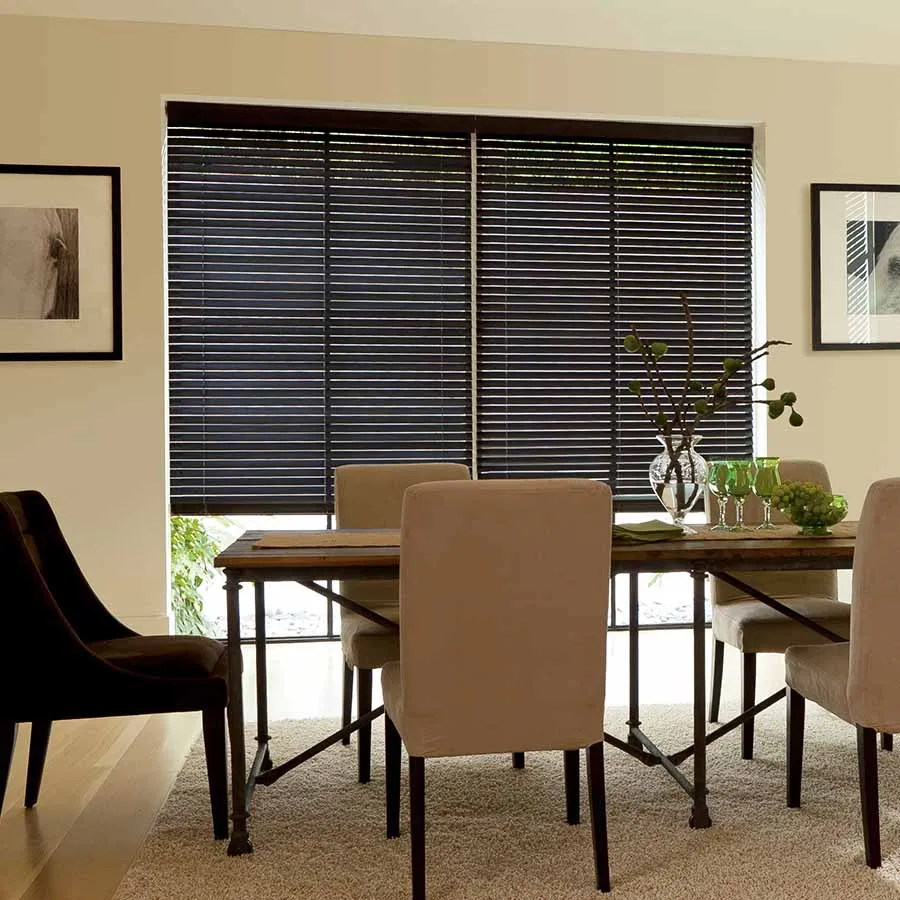
Malaysia’s tropical climate—with its high humidity, frequent rainfall, and year-round warmth—poses unique challenges when it comes to selecting the right window coverings. Beyond aesthetics, the choice must also offer durability, temperature control, and resistance to moisture. Among the many options available, wooden blinds have become a popular choice, but how do they compare with other window coverings such as curtains, roller blinds, and aluminium blinds? Here’s a closer look at what works best in Malaysia’s climate.
Wooden Blinds: Style Meets Practicality
Wooden blinds are a favourite in many Malaysian homes due to their timeless appeal and natural aesthetic. Crafted from real timber or faux wood alternatives, they offer a warm, elegant look that suits both traditional and modern interiors.
From a climate perspective, wooden blinds are fairly well-suited for Malaysia, especially when treated with moisture-resistant finishes. Faux wood blinds, in particular, are an excellent alternative to real wood as they are designed to withstand humidity without warping or cracking.
In addition to aesthetics, wooden blinds allow for precise control over light and ventilation. By adjusting the slats, you can manage the amount of sunlight entering the room—helping to reduce indoor temperatures and protect furniture from UV rays.
However, homeowners should be cautious when installing wooden blinds in areas with high moisture levels, such as bathrooms or kitchens. In such cases, opting for faux wood or combining blinds with other moisture-resistant materials may be more suitable.
Curtains: Soft Elegance but Challenging Maintenance
Curtains remain a traditional and widely used window covering in Malaysia. They add softness to interior spaces and are available in a wide range of fabrics, colours, and styles.
For tropical climates, light and breathable fabrics like cotton, linen, or sheer polyester are commonly chosen to promote air circulation while diffusing harsh sunlight. Thicker, blackout curtains are also used in bedrooms to reduce heat and improve sleep quality.
Despite their benefits, curtains can be problematic in humid conditions. Fabric tends to absorb moisture, leading to issues like mould, mildew, and odours. Frequent washing is often required to maintain hygiene, especially in areas with poor ventilation.
Moreover, curtains may not provide the same level of precise light control as blinds, which can be a disadvantage for energy efficiency and glare reduction.
Roller Blinds: Minimalist and Functional
Roller blinds are another strong contender for Malaysian homes, especially among those who favour minimalist design. Made from fabric or synthetic materials, these blinds can be easily rolled up or down to control light and privacy.
When treated with UV protection and moisture-resistant coatings, roller blinds perform well in humid conditions. They’re particularly effective in reducing heat gain when made from reflective or blackout materials, making them a practical choice for sunny rooms.
Roller blinds are also easier to clean than curtains, typically requiring only a wipe-down with a damp cloth. However, they lack the tactile warmth and natural texture that wooden blinds bring to a space.
Their simplicity may be seen as a limitation in more decorative interiors, where wooden or Roman blinds may offer a better aesthetic match.
Aluminium Blinds: Durable but Lacking Warmth
Aluminium blinds are valued for their durability and affordability. Resistant to moisture and corrosion, they are ideal for bathrooms, kitchens, or commercial settings where hygiene and longevity are essential.
In the Malaysian climate, aluminium blinds perform well under humid conditions. They are lightweight, easy to clean, and offer good light control with adjustable slats.
However, aluminium blinds can make spaces feel colder and more industrial, which might not suit residential interiors looking for a warmer, more inviting atmosphere. Additionally, the metallic surface can become hot under direct sunlight, potentially increasing room temperature and causing discomfort.
Which Option is Best for Malaysia?
When selecting window coverings for Malaysia’s climate, homeowners should consider a blend of practicality, style, and maintenance. Here’s a quick comparison:
| Feature | Wooden Blinds | Curtains | Roller Blinds | Aluminium Blinds |
|---|---|---|---|---|
| Humidity Resistance | Medium (High for faux wood) | Low | High (coated materials) | Very High |
| Light Control | Excellent | Moderate | Good | Excellent |
| Aesthetic Appeal | High (natural, elegant) | High (soft, decorative) | Moderate (minimalist) | Low (industrial look) |
| Maintenance | Low to Moderate | High | Low | Low |
| Heat Insulation | Good | Good (with thick fabric) | Good (if blackout) | Fair |
For living rooms, bedrooms, and offices, wooden blinds—especially faux wood variants—strike a good balance between aesthetics, light control, and climate suitability. In wet areas like kitchens and bathrooms, aluminium or moisture-resistant roller blinds may be the better choice.
Final Thoughts
Ultimately, the best window covering for your home in Malaysia depends on your specific needs and preferences. Wooden blinds offer a combination of beauty and function that works well in many settings, provided they are treated to handle humidity. Curtains, while beautiful, may require more maintenance, while roller and aluminium blinds provide functional alternatives with better resistance to Malaysia’s tropical conditions.
Choosing the right window treatment is not just about design—it’s also about creating a comfortable, durable, and efficient living space that stands up to the demands of the Malaysian climate.