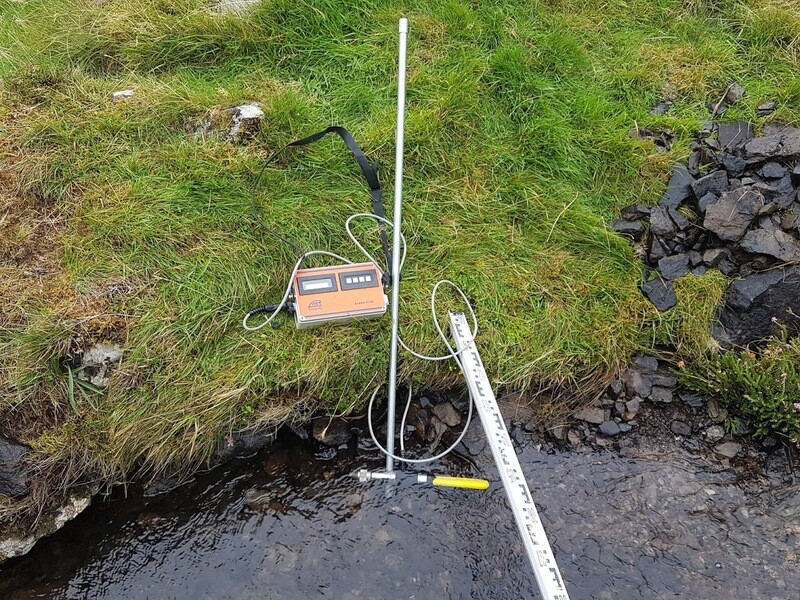
Industrial environmental monitoring in Malaysia has become a critical component of responsible business operations. With increasing regulatory scrutiny and growing awareness of environmental sustainability, companies must adopt structured monitoring practices to ensure compliance, protect worker health, and minimise environmental impact. Guided by the Environmental Quality Act 1974 and enforced by the Department of Environment (DOE), environmental monitoring is no longer optional—it is a legal and operational necessity.
Understanding Industrial Environmental Monitoring
Environmental monitoring refers to the systematic measurement and analysis of environmental parameters such as air quality, water quality, soil contamination, noise levels, and waste output. In industrial settings, it acts as an early warning system, helping organisations detect pollution or unsafe conditions before they escalate into regulatory violations or safety incidents.
In Malaysia, industries ranging from manufacturing and oil and gas to construction and waste management rely on monitoring systems to maintain operational control. Regular monitoring ensures that emissions, effluents, and waste disposal practices remain within legally acceptable limits, safeguarding both human health and the environment.
Regulatory Framework in Malaysia
Malaysia has a comprehensive legal framework governing environmental monitoring. The Environmental Quality Act 1974 forms the backbone of environmental regulation, supported by specific guidelines such as:
- Environmental Quality (Clean Air) Regulations 2014
- Environmental Quality (Industrial Effluent) Regulations 2009
- Environmental Quality (Scheduled Wastes) Regulations 2005
These regulations require industries to monitor emissions, wastewater discharge, and waste handling processes. For instance, facilities must conduct stack emission monitoring to assess air pollutants released from chimneys and ensure compliance with permitted limits.
Additionally, the DOE mandates the installation of Continuous Emission Monitoring Systems (CEMS) for certain industries. These systems provide real-time data on pollutant levels and transmit information directly to regulatory authorities, ensuring transparency and accountability.
Key Types of Industrial Environmental Monitoring
To achieve full compliance, industries must implement multiple monitoring strategies tailored to their operations:
1. Air Quality Monitoring
Air monitoring measures pollutants such as particulate matter (PM2.5, PM10), nitrogen oxides, sulphur dioxide, and volatile organic compounds. This is essential for compliance with Malaysia’s ambient air quality standards and for protecting workers from respiratory hazards.
2. Water and Effluent Monitoring
Industrial effluent monitoring ensures that wastewater discharged into rivers or public systems meets regulatory standards. It helps prevent contamination of water resources and supports sustainable water management.
3. Soil and Groundwater Monitoring
Industries dealing with chemicals or hazardous materials must monitor soil and groundwater to detect contamination early and prevent long-term environmental damage.
4. Noise Monitoring
Noise pollution can affect both employees and nearby communities. Monitoring ensures compliance with occupational safety regulations and helps maintain a safe working environment.
5. Waste Monitoring
Scheduled waste monitoring ensures proper classification, storage, and disposal of hazardous materials, reducing environmental risks and ensuring legal compliance.
Best Practices for Compliance and Safety
To effectively implement industrial environmental monitoring in Malaysia, organisations should follow these best practices:
1. Conduct Comprehensive Risk Assessments
Begin by identifying all potential environmental risks associated with your operations. This includes emissions sources, waste streams, and exposure points for workers. A thorough risk assessment helps prioritise monitoring efforts and allocate resources efficiently.
2. Implement Real-Time Monitoring Systems
Real-time sensors provide continuous data on environmental conditions, enabling immediate detection of abnormalities. These systems are particularly valuable for air quality and emissions monitoring, allowing companies to respond quickly to potential issues.
3. Use Accredited Laboratories
For compliance reporting, data accuracy is crucial. Partnering with accredited laboratories ensures that test results meet DOE standards and are accepted during audits and inspections.
4. Ensure Regular Calibration and Maintenance
Monitoring equipment must be properly maintained and calibrated to ensure reliable data. Poorly maintained systems can lead to inaccurate readings and potential compliance failures.
5. Maintain Detailed Documentation and Reporting
Accurate record-keeping is essential for demonstrating compliance. Companies should maintain logs of monitoring data, maintenance activities, and corrective actions. These records are often required during DOE inspections or audits.
6. Train Employees and Build Awareness
Environmental monitoring is not solely the responsibility of compliance officers. Employees should be trained to understand environmental risks and follow proper procedures. Training programmes, such as those offered by Malaysia’s environmental institutes, help build competency and awareness within organisations.
7. Integrate Monitoring with Environmental Management Systems
Adopting frameworks such as ISO 14001 can enhance environmental performance by integrating monitoring into a broader management system. This ensures continuous improvement and aligns environmental goals with business objectives.
8. Establish Corrective Action Plans
When monitoring data indicates non-compliance or risk, companies must act promptly. A clear corrective action plan helps address issues before they escalate into regulatory penalties or environmental harm.
Benefits of Effective Environmental Monitoring
Implementing robust environmental monitoring practices offers several advantages:
- Regulatory Compliance: Avoid fines, penalties, and operational disruptions.
- Improved Safety: Protect workers from exposure to hazardous substances.
- Operational Efficiency: Identify inefficiencies and reduce waste.
- Environmental Protection: Minimise pollution and conserve natural resources.
- Enhanced Reputation: Build trust with regulators, stakeholders, and the public.
Moreover, proactive monitoring supports sustainability initiatives and helps companies meet Environmental, Social, and Governance (ESG) targets, which are increasingly important in today’s business landscape.
Conclusion
Industrial environmental monitoring in Malaysia is a vital tool for ensuring compliance and maintaining safe operations. With stringent regulations and growing environmental expectations, businesses must adopt a proactive and systematic approach to monitoring. By implementing best practices such as real-time monitoring, accredited testing, and comprehensive risk management, companies can not only meet regulatory requirements but also enhance safety, efficiency, and sustainability.
Ultimately, environmental monitoring is not just about compliance—it is about building a responsible industrial future where economic growth and environmental protection go hand in hand.